-
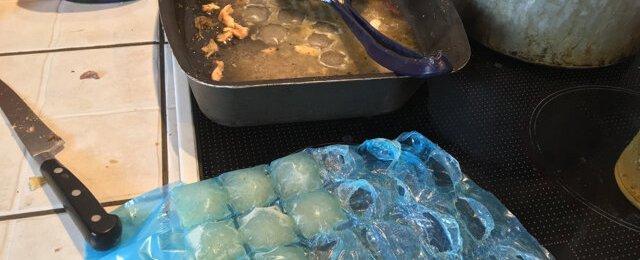
I used to use regular ice cube trays to freeze stock, but it gets complicated in summer in particular when you want to make regular, water ice cubes and accidentally slip some beef stock into your rosé.So now I use ice cube bags. It makes it very simple to use one or a few cubes…
-
This is a timing plan for a meal for two (or more, adjust quantities as necessary). It was designed originally for a – male – friend who doesn’t normally cook, but who wanted to prepare something ‘impressive’ for his spouse. So, start yesterday with: Apple collars Use medium-sized tasty apples, Granny Smiths are the only…
-
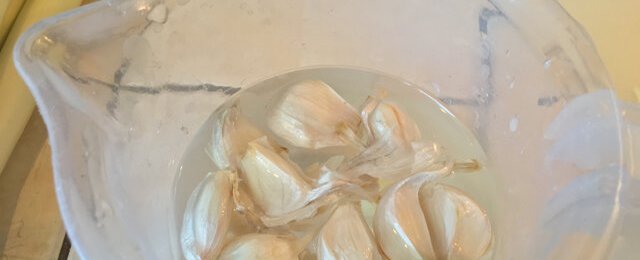
If you have more than one or two cloves of garlic to peel, soak them in water first for a few minutes. You’ll find the papery outer skins slip right off once you’ve done this.
-
Whether you’re making your own pizzas or heating up bought-in ones, the secret to a great tasting pizza base is temperature – the higher, the better.So ignore any instructions on the packet and turn your oven up to its maximum temperature – 275-300°C, usually. Then cook your pizza keeping a close eye on it so…
-
So if you follow any sort of online cookery page, you’ll see people recommending how to heat up a frying pan and add oil – which to do first and why. This is the definitive answer: heat up your pan to the approved temperature for a few minutes, then add the oil/butter/fat, then immediately add…
-
Cook your potatoes unpeeled, which helps stop them going soggy and which may better preserve their nutritional content.Then mash them using a potato ricer or a French ‘moulin à legumes’, still with their skins on. The skins stay behind in your chosen device and you get better quality mash.
-
Titchy vegetables can be difficult, or even impossible, to peel correctly – let alone the New Wisdom which tells us not to peel to take best advantage of the nutrients available.We used to peel veg in order to ensure they were thoroughly cleaned of the animal excrement used as fertiliser; this is less of a…
-
Being short of time and long on ideas, I thought I’d start up a series of quick tips I’ve picked up over the years.First tip: When you’ve been making pastry, dough, bread – anything like that – it can be difficult to wash your hands and get rid of all the dough sticking to your…
-
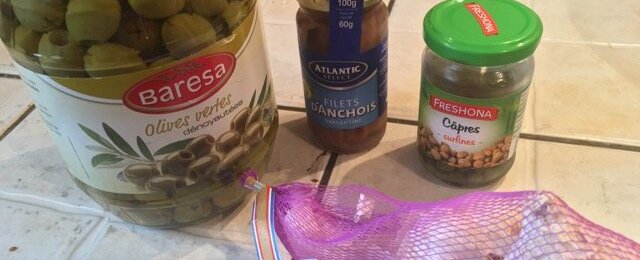
This is a very old, very Mediterranean dish – squished up olives, garlic, anchovies and capers. Cato the Elder wrote about it; the Greeks probably had it, too, since the Romans nicked many of their recipes from them.Now, it’s a Provençal dish – tapenade comes from the Occitan word Tapenas, which means capers. So, don’t…

 mostxlnt.com