
Tags
baking, Bread, Bread machine, Carpal Tunnel syndrome, Cheap, Ciabatta, Flour, Herbs, Hot hands, Jean-Rémi Joly, Simple, Slimy pastry
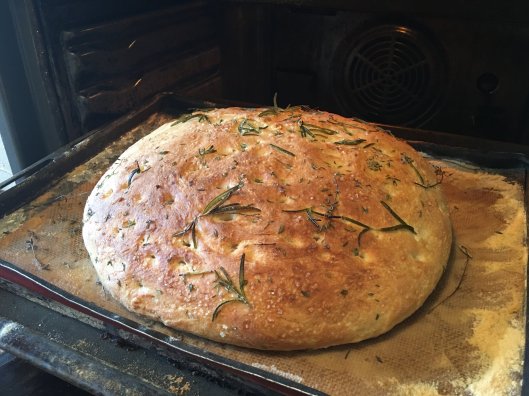
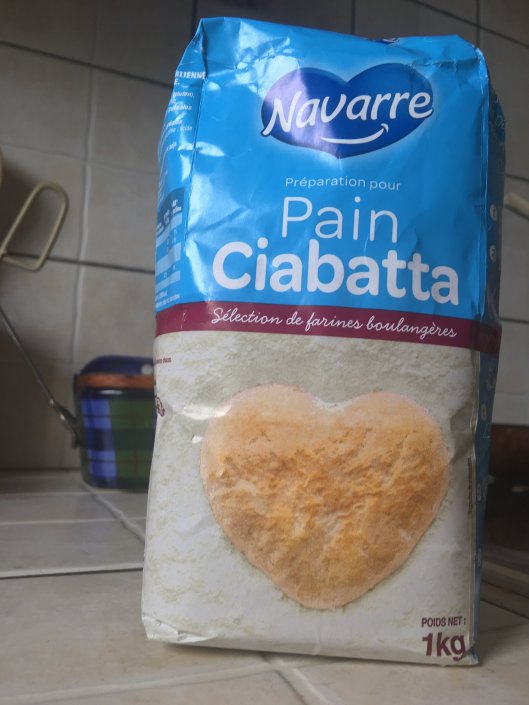
Bread is simple, simplicity itself; flour, water, salt and yeast and there you go. Well, almost – a certain amount of measuring and technique may well get in the way of your perfect loaf. Me, I’ve always had problems making anything that involved baking, especially if yeast was in the mix.Pastry I make is slimey or crumbly or sticky; cakes won’t rise and as for bread, well. Forget it.Hot hands? I’m an alien with strange bacteria on my skin that kill yeast? Who knows. Whatever the reason I never became a baker. And when I worked in professional kitchens I always avoided the patisserie as much as possible and stuck with starters, my preferred section.Then in Avignon under Jean-Remy Joly I had no choice; often there were just the two of us in the restaurant and we both had to do everything, and I found myself having to bake cakes.And it worked. His recipe for madeleines always came out right and it still does – I’ll show it to you one day. Pastry worked. Nothing failed following his rules to keep stuff as cold as possible and always work with just the tips of your fingers to avoid over-heating your dough.We never made bread though, and the few times I tried on my own it didn’t work. I invested in a bread machine and that would, usually, turn out something edible but no more than that. Sometimes it would be inexplicably heavy and, basically, inedible.Then I found some new all-in-one bread mix which contained the flour and yeast in the same bag, and it worked better than trying to mix the ingredients myself. It worked almost every time in the machine with good results.And then I read somewhere about the idea of using your bread machine to do the kneading but actually baking bread in a regular oven.One of the problems with many bread machines, in particular the cheap ones like mine, is that they don’t really get hot enough to properly bake bread; there’s no such problem in conventional ovens.So I tried it and, well, it works great. I put just 360 ml of water and half a kilo of the flour and yeast mix into the bread machine and allow it to do its mixing and proving cycle, which lasts 90 minutes.Then I put it on a baking sheet, kneading it just a little and allow it to rise a second time. During the kneading I add herbs from the garden, usually rosemary and sage, and a little olive oil. I sometimes sprinkle a little fleur de sel de Camargue on top too, for a little salty crunch.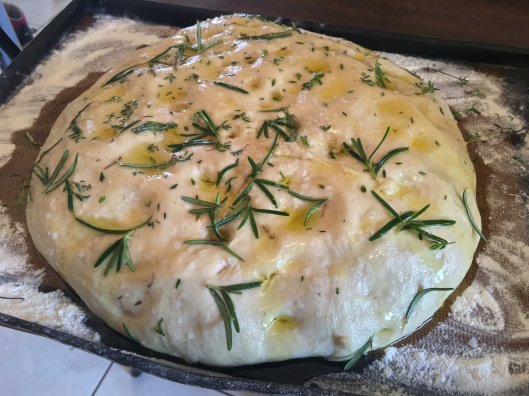 When it’s risen again – usually 20-30 minutes later – I put it into a very hot oven (220-230ºC) and bake it for 20 – 25 minutes, turning it 180º after a quarter of an hour to ensure even browning.And it makes a very light, ciabatta-style loaf. The whole process is very simple, it’s much easier to do than to describe in fact. I use a similar process now to make brioche buns, although in this case I usually use brioche flour and a separate sachet of special brioche yeast; the all-in-one packets of brioche flour and yeast don’t seem to work so well.The bread is very tasty – it’s no sourdough special but it’s very edible, lovely with some nice paté or cheese or just used for mopping up sauce or soups.The flour is a simple packet bought from Lidl, it costs less than a euro; a whole loaf costs under 50 cents.
 Once the bread is baked – test by rapping the underside with your knuckles, it should sound hollow – allow it to cool on a wire rack. If you just leave it on a worksurface, steam will turn to water underneath and give you a soggy bottom. Missus.If the loaf doesn’t get all eaten at once I slice it and freeze it, then can take out a slice or two at a time from the freezer. Makes great toast this way.
 mostxlnt.com